Store-brand vs name-brand: how to test swaps category by category
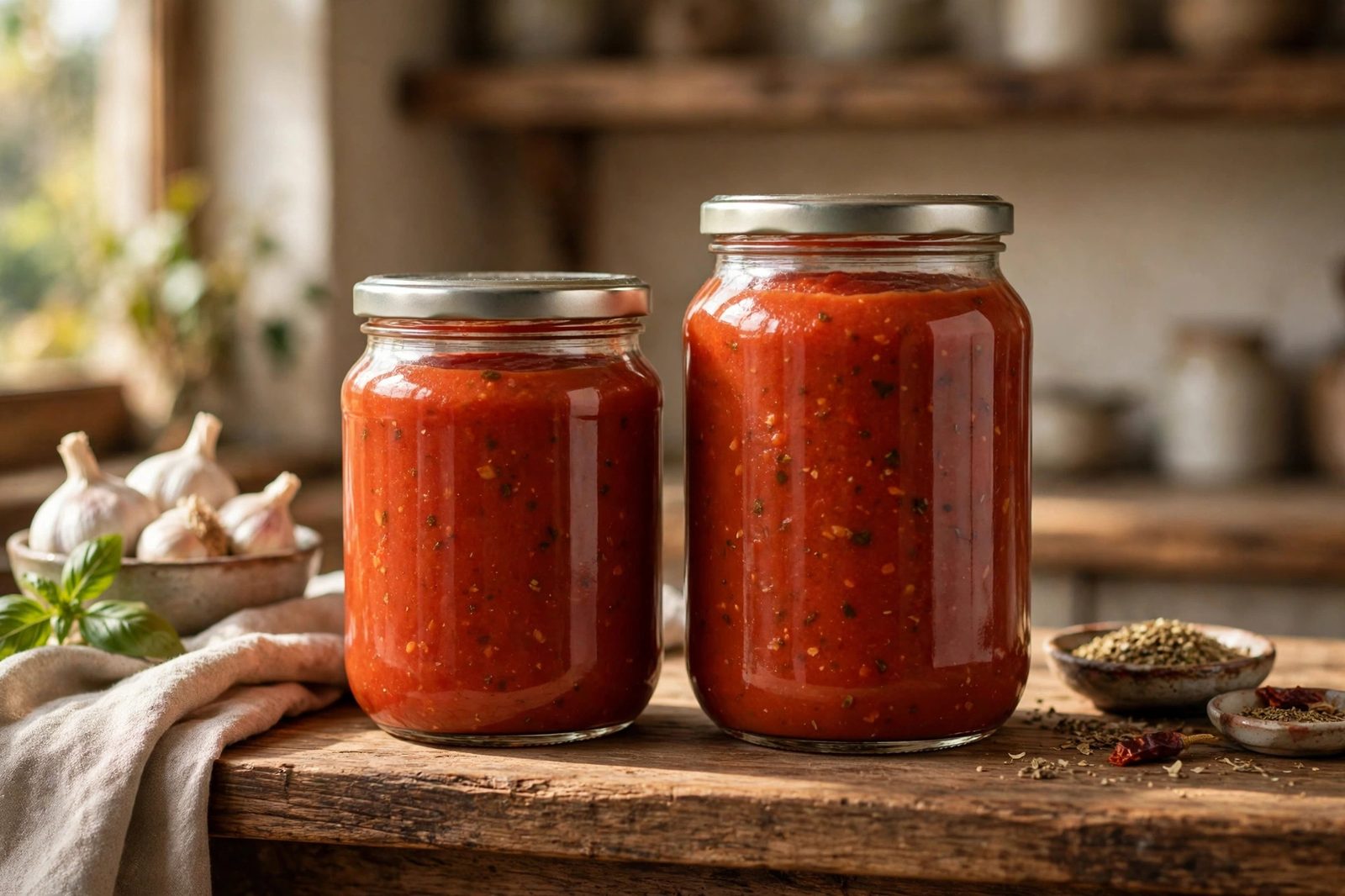
Store brands (private label) are typically cheaper than name brands sitting on the same shelf, sometimes dramatically so. But blindly switching everything is how you end up with a pantry of products nobody in your house enjoys, which is its own kind of waste. The approach that works: test category by category, keep a list of what passed, and stop re-deciding every trip.
The test: buy both once, compare honestly
Pick one category at a time. Buy the name brand you currently use and the store brand in the same size or type. Use them side by side for a week, cook with both, taste both in the same dish, have the family try them. Compare on three things:
- Taste and texture, does it actually taste different, or do you only think it does because of the label?
- Ingredients, flip both packages over and compare the ingredient lists. They're often nearly identical, and sometimes the products come from the same manufacturer.
- Performance, for non-food items (foil, bags, cleaners), does the store version do the job?
If you can't tell the difference, the name brand is charging you for the label. If you can, and it matters, keep the name brand. One honest test per category is worth more than a hundred opinions.
Categories where store brands usually win
Some products are commodities: the contents are nearly the same no matter who makes them. These are the easy wins, and the place to start:
- Pantry basics, flour, sugar, salt, baking soda, pasta, rice, oats, cooking oils.
- Canned and frozen staples, canned tomatoes, beans, tuna, frozen vegetables and fruit. Check the ingredient list; many are a single ingredient.
- Dairy basics, milk, butter, plain yogurt, block cheese for cooking. Store milk is routinely identical in quality.
- Paper and plastic, toilet paper, paper towels, zip bags, foil. Test thickness once, then buy the cheap one forever.
- Cleaning basics, bleach, dish soap, all-purpose cleaner. The active ingredients are commodities.
Categories where name brands sometimes earn it
Be honest about the categories where taste, texture, or formula genuinely matters to your household:
- Condiments and sauces, ketchup, mayonnaise, hot sauce. People have strong attachments here; test, don't assume.
- Cereal and snacks, texture and seasoning vary a lot between brands, and kids especially notice.
- Coffee and tea, highly personal. A cheap coffee nobody drinks is not a saving.
- Specialty items, anything with a specific recipe you love (a particular pasta sauce, a favorite cheese). Taste first.
The rule is simple: the person who eats it decides. If your household genuinely prefers the name brand in a category, that's the answer, forcing a swap everyone hates leads to food waste, which costs more than the difference.
Compare unit price, not shelf price
A store brand isn't automatically the cheapest option. Always compare the unit price (price per 100 g, per litre, per sheet) shown on the shelf tag, not the sticker price, especially when name brands are on sale. A name brand at half price can beat the store brand's unit cost. This is also why a price book (see our flyer and seasonal buying guide) matters: it tells you whether today's "sale" is actually good.
Watch for shrinkflation too: a familiar package that's gotten smaller while the price stayed the same. The unit price catches this instantly; the shelf price hides it.
Know your store's tiers
Many stores carry more than one house line: a budget line and a premium or organic line. The budget line is usually the best value for basics; the premium line often competes with name brands on quality at a middle price. If the cheapest tier fails your test, try the store's premium tier before going back to the name brand, it's frequently the sweet spot.
Keep a running swap list
The payoff of all this testing is a list you can reuse forever. Keep a simple note, on your phone or on the fridge, with two columns:
| Store brand wins | Name brand stays |
|---|---|
| Canned tomatoes | Ketchup |
| Frozen peas | Coffee |
| Butter | Hot sauce |
Fill it in as you test, one or two categories a week. In a month or two you'll have a personalized switch list, and your grocery bill drops without any ongoing effort, because you already made the decisions once.