Unit price math: when bulk buying is a trap (and when it isn't)
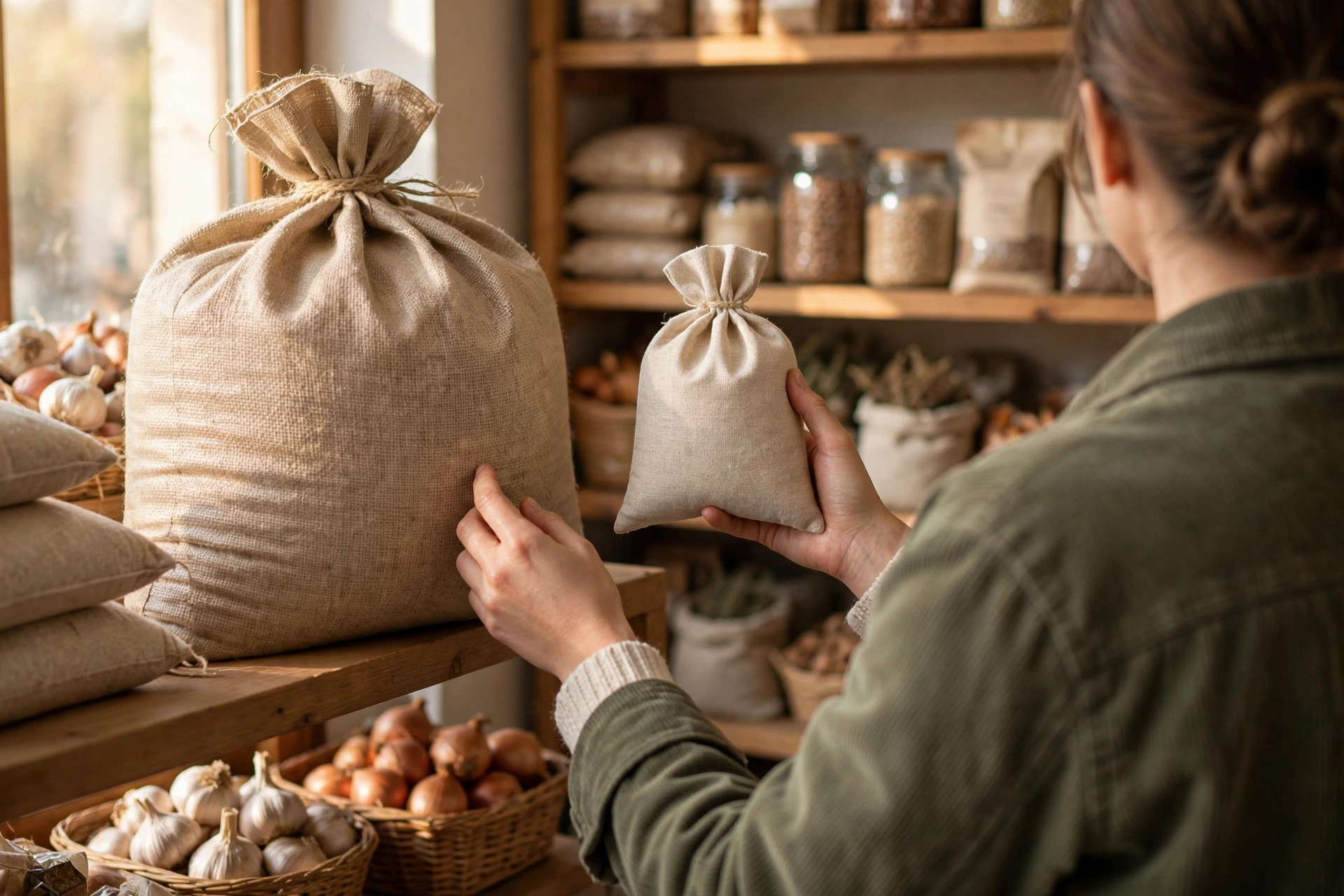
The sticker price is marketing. The unit price — what you pay per kilogram, per litre, or per item — is the actual price. Learning to compute it in your head (or with your phone) is the single most useful shelf skill a budget shopper can build, because it exposes the cases where the bigger package is quietly the worse deal.
The unit-price formula (60 seconds)
Unit price = total price ÷ number of units. That's it. For a 64-ounce bottle of olive oil at $16, divide $16 by 64: $0.25 per ounce. A 24-ounce jug at $8 works out to $0.33 per ounce — cheaper at the register, more expensive per ounce. The big one wins that round, but not always.
Try it on something discrete first, like granola bars. A single bar at $2 is $2 per unit; a 4-pack at $6 is $1.50 per unit; a 12-pack at $15 is $1.25 per unit. Now the 12-pack's advantage is visible. Then try a real case where the big package loses: a one-pound block of cheddar at $12 is $12 per pound, but a 12-ounce block on sale at $8 works out to $10.67 per pound (16 ounces per pound). The smaller block is the better deal — you only see it with the math.
Worked price check: same flyer, October 2026
Here's what the formula finds in one real week's flyer (Walmart Canada, Oct 8–14, 2026):
| Item | Price | Unit price |
|---|---|---|
| Great Value long grain rice, 2 kg | $4.77 | $2.39/kg |
| Tilda basmati rice, 4.54 kg | $12.98 | $2.86/kg |
| Mazola canola oil, 1.18 L | $6.97 | $5.91/L |
| Campbell's broth, 900 mL | $1.47 | $1.63/L |
Notice the rice row: the 4.54 kg bag — more than twice the size of the 2 kg bag — costs more per kilogram. Bulk packaging doesn't guarantee a bulk discount; in this week's flyer the "bulk" option is about 20% more expensive per kilo than the small bag. That's the trap, and it shows up precisely when one size is on sale and the other isn't.
When bulk wins, and when it quietly loses
Bulk wins when two things are true: the unit price is genuinely lower, and your household finishes the package before it expires or goes stale. Bulk loses when either one fails. The classic losers: a huge bag of salad that wilts before week two, a jumbo spice jar that goes flat in six months, the "family pack" of something only one person eats.
The best bulk candidates are shelf-stable staples with long lives and steady use: dry rice, pasta, canned goods, dried beans, cereals, and frozen items if you have the freezer space. Even there, compare the unit price to the discount grocer's regular shelf price, not to the same store's small pack — a bulk price at a warehouse club can still beat (or lose to) an everyday-low-price store's regular price.
The 60-second bulk go/no-go test
- Compute the unit price of each option with your phone calculator. Many shelf tags list it, but sale tags often show the old unit price or none at all — do the math on the actual price.
- Compare to the real alternative: the small pack's unit price or the flyer price of the same item this week, whichever is lower.
- Consumption check: divide the package size by your weekly use. If a 9 kg bag of rice means 18 weeks of rice and rice goes stale in your cupboard after 8, that's a no.
- Storage check: do you have the space, and will it stay sealed, dry, and pest-free? Bulk flour in an open bag is a weevil subscription.
- Waste check: if there's a real chance any of it gets thrown away, the unit price of what you actually ate is higher than the tag says.
What success looks like: you walk out with the bigger package only when its unit price is lower, it fits your storage, and you'll finish it well before it turns. Everything else, buy the small one.
FAQ
Why do sale items break the rule? Because bulk packaging saves the store on packaging and shipping costs, not on the discount. When the small size is on a flyer and the big size isn't, the sale can easily flip the unit-price advantage.
Should I just buy the biggest thing every time? No — that's the trap this guide exists to kill. Biggest is a tiebreaker only when the unit math agrees.